
Community Outreach and Events
Expanded Dental Services and Affordable Care as Practices Join Forces

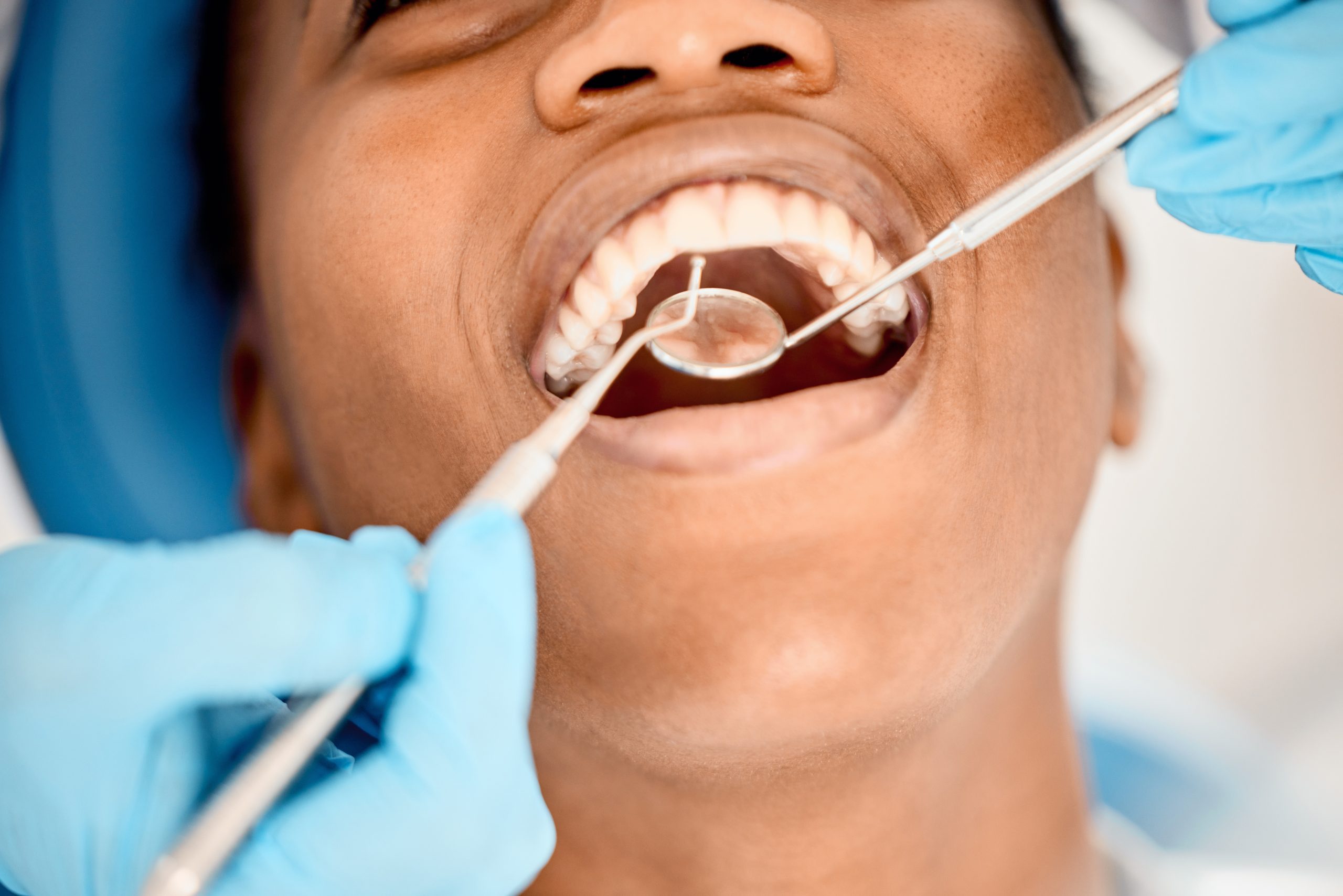
Two local dental practices have merged to strengthen their commitment to community care, increase accessibility, and offer enhanced services under one mission: delivering comprehensive, affordable dental care in a welcoming environment. As part of this transition, patients can now benefit from expanded locations, provider expertise, and new discount plans designed to ease the burden of out-of-pocket dental expenses.
A Community-Centered Merger
This recent merger brings together the expertise and staff of two established dental offices, consolidating care into two updated locations. Patients from a recently closed third office have been seamlessly integrated into the new practice locations, ensuring continuity of care and familiar faces at every visit.
The decision to expand into surrounding communities was guided by a commitment to convenience and access—especially for patients in more rural areas who previously had to travel farther for dental services.
Patient Comfort Comes First
While many people feel anxious about dental visits, the new team of providers is focused on making patients feel at home from the moment they walk through the door. Their goal is to create a warm, educational environment where comfort, communication, and top-tier clinical care are always the priority.
From front desk staff to dental hygienists and doctors, the team works together to ensure patients are treated with empathy, respect, and personalized attention.
Comprehensive Services Under One Roof
Patients now have access to a broad range of dental treatments without needing referrals or additional travel. Services include:
- Routine cleanings and exams
- Fillings, crowns, and bridges
- Whitening and cosmetic treatments
- Pediatric dental care
- Periodontal maintenance
- Emergency dentistry
The consolidation of services under one roof makes scheduling easier and ensures treatment continuity across general, cosmetic, and preventive dentistry.
Discounts and Membership Plans for the Uninsured
Understanding the financial barriers that often prevent people from seeking care, the merged practice offers multiple payment solutions and discount plans for uninsured patients. These include:
- Child discount plans
- Tiered adult plans (for both routine and more extensive care)
- Complimentary insurance benefit checks
- Flexible scheduling and budget-friendly payment options
By providing these alternatives, the practice aims to eliminate cost as an obstacle to maintaining oral health.
Continuity and Compassion Drive the Mission
Every provider and team member from previous locations has been retained and reassigned, ensuring a smooth transition for patients. That continuity reinforces the sense of community that’s central to the practice’s values. Staff members emphasize the importance of building relationships with patients and treating them like family.
Ultimately, the goal is clear: to make dental care accessible, compassionate, and comfortable for everyone.
Conclusion
This merger reflects a forward-thinking approach to patient care—one that values affordability, access, and personal connection. With two accessible locations, expanded services, and new cost-saving programs, the dental teams are working to ensure no one has to put their oral health on hold due to distance, insurance limitations, or financial concerns.
Whether you’re a long-time patient or new to the area, you can expect the same friendly faces, expert care, and family atmosphere—just with more options and support than ever before.
Community Outreach and Events
“Rethink Your Drink” Grant Program Aims to Reduce Tooth Decay in Idaho Schools


Delta Dental of Idaho has launched the “Rethink Your Drink” Bottle Filling Station Grant Program to help combat one of the most common chronic conditions affecting children: tooth decay. Recognizing the link between sugar-sweetened beverages and poor oral health, the program encourages schools to make water more accessible by replacing outdated drinking fountains with modern bottle filling stations.
In addition to the installation of Elkay®-branded stations, participating schools will receive reusable water bottles, dental hygiene kits, and a ready-to-use educational toolkit—reinforcing healthy habits and preventive care across the school community.
Program Objectives
The initiative seeks to support oral and overall health by shifting beverage habits among K-12 students. The program promotes water as the healthiest, most accessible option for hydration, aiming to:
- Reduce sugar consumption
- Decrease incidence of dental decay
- Encourage lifelong preventive health practices
- Improve equity in access to clean drinking water
Eligibility Criteria
To qualify, schools must meet the following requirements:
- Be a K–12 institution located in Idaho
- Have an existing water fountain suitable for conversion or replacement
- Have fewer bottle filling stations than regular water fountains
- Preference is given to schools where 50% or more of the student population qualifies for Free and Reduced-Price Lunch (FRPL)
Priority will be granted to schools with limited hydration infrastructure and high-need populations, reinforcing the program’s focus on health equity.
What Awarded Schools Receive
Each selected school will receive:
- A Delta Dental of Idaho-branded Elkay® bottle filling station
- Reusable water bottles for students and staff
- Dental care kits, including toothbrushes, toothpaste, and floss
- A comprehensive educational toolkit featuring oral health resources and lesson plans
The combination of physical infrastructure and educational materials is designed to support long-term behavioral change in both hydration and oral hygiene.
Application Process and Timeline
Schools can apply by creating an account on the program’s dedicated online portal. Each school must apply individually, even if part of a larger district initiative.
Program Timeline
- February – Application window opens
- March – Review period
- April – Award notifications and grant agreements
- June to August – Equipment delivery and installation
- January (following year) – Required reporting from grantees
Follow-Up and Accountability
Grant recipients are expected to complete a progress report in January of the year following installation. The report will gather data on:
- Station usage
- Impact on student hydration habits
- Implementation of oral health education resources
These outcomes will help assess the program’s effectiveness and guide future funding cycles.
Conclusion
Tooth decay remains a preventable yet persistent public health issue among children, and sugar-laden drinks are a key contributor. Delta Dental of Idaho’s “Rethink Your Drink” initiative offers schools a practical, evidence-informed solution: promote water consumption through accessible infrastructure and education.
By installing bottle filling stations and distributing resources that reinforce healthy habits, participating schools are positioned to create a more supportive environment for oral health, academic success, and long-term wellness.
Community Outreach and Events
Howard University Dental School to Host Free Health Fair for All Ages on April 5

Howard University College of Dentistry will host its Annual Health Fair on Saturday, April 5, 2025, offering free dental and health services to individuals and families across the Washington, D.C. community. Designed to improve access to essential preventive care, the event will provide cleanings, screenings, and health education—no insurance or appointment required.
Staffed by dental students, faculty, and healthcare professionals, the fair aims to remove barriers to care while promoting long-term wellness through early detection and education.
Why This Event Matters
Access to preventive care plays a key role in maintaining overall health. Yet financial concerns, transportation challenges, and lack of provider access can keep many people from visiting a dentist or physician regularly.
This community-centered initiative offers:
- No-cost services to address immediate health needs
- Early detection of dental or medical issues
- One-on-one education to support lasting habits
By hosting the event in a walk-in format, Howard University ensures that care is available to everyone—regardless of background, insurance status, or age.
What Services Are Offered
The health fair will feature:
✔ Free Dental Cleanings and Screenings
Participants can receive basic oral care services including:
- Plaque removal
- Dental assessments
- Referrals for follow-up care, if needed
✔ General Health Screenings
Healthcare professionals will monitor key indicators such as:
- Blood pressure
- Heart rate
- General wellness markers
These screenings can help detect underlying health conditions that may otherwise go unnoticed.
✔ Oral Health Education
Attendees will learn about:
- Daily hygiene practices
- Diet and lifestyle choices that support oral health
- When and how to seek professional care
Educational materials will be provided to reinforce these messages beyond the event.
Who Should Attend
This event is open to the public and welcomes:
- Children and families seeking preventive care
- Older adults who may be overdue for check-ups
- Uninsured individuals who lack regular access to providers
- Anyone interested in learning more about their oral or general health
Event Details
- Date: Saturday, April 5, 2025
- Time: Walk-in hours to be announced
- Location: Howard University College of Dentistry, Washington, D.C.
- Cost: Free for all attendees
- No appointment needed
Conclusion
The Annual Health Fair hosted by Howard University College of Dentistry is more than just an event—it’s a community resource focused on prevention, education, and equitable access to care. Whether you’re in need of a dental cleaning, curious about your blood pressure, or simply looking to take proactive steps for your health, this fair offers a welcoming, professional environment to do just that.
Community Outreach and Events
National Children’s Dental Health Month 2025: A Nationwide Push for Lifelong Smiles

Overview
Each February, the American Dental Association (ADA) leads a nationwide initiative known as National Children’s Dental Health Month (NCDHM) to underscore the importance of oral health in children. What began as a local event in Cleveland in 1941 has grown into a robust, national campaign recognized across schools, clinics, dental practices, and public health organizations.
The 2025 observance brings a renewed emphasis on year-round engagement, urging educators, parents, and dental professionals alike to treat every month as an opportunity to build healthy habits early in life. With updated digital materials, multilingual activity sheets, and new brushing calendars, the ADA continues to offer practical, inclusive tools for promoting dental wellness among young audiences.
Why Children’s Oral Health Deserves National Attention
Childhood dental care is more than just brushing and flossing—it’s foundational to overall health. According to the Centers for Disease Control and Prevention (CDC), tooth decay remains the most common chronic disease in children aged 6 to 19 years. Left untreated, dental problems can impact nutrition, speech development, academic performance, and self-esteem.
NCDHM aims to prevent such outcomes by focusing on early education and positive habit formation. With consistent brushing, reduced sugar intake, and regular dental visits, most childhood cavities are preventable.
2025 Materials: Posters, Calendars, and Coloring Sheets
To support this year’s campaign, the ADA has released a new set of digital materials designed to engage young audiences while empowering the adults who guide them. Rather than relying on traditional print posters alone, the ADA now offers materials in digital format for flexible use at home, in classrooms, and across community programs.
Available Resources:
- Digital Posters: Offered in both 8.5″x11″ and 11″x17″ formats, with fun, kid-friendly artwork.
- Coloring Sheets: Matching designs to the posters, encouraging hands-on interaction and message retention.
- Bilingual Options: All materials are available in English and Spanish, supporting broader access and inclusivity.
- 2025 Brushing Calendar: A 12-month visual reminder to brush twice daily with fluoride toothpaste. Ideal for home use or classroom display.
These free resources make it easy to maintain momentum beyond February, reinforcing healthy habits throughout the year.
NCDHM Program Planning Guide
For educators, program organizers, and dental professionals planning local observances, the ADA’s NCDHM Program Planning Guide is a comprehensive toolkit. It includes:
- Sample timetables for event planning
- Activity suggestions for schools and dental clinics
- A sample proclamation to involve civic leaders or government representatives
- Guidance on customizing presentations for different age groups
By offering structured yet adaptable content, the guide helps streamline outreach efforts and ensures consistent messaging.
Publicity Tools to Amplify Your Message
Raising awareness is a core part of the NCDHM mission. To help spread the message across communities, the ADA provides additional resources tailored to media outreach. These include:
- Templates for press releases
- Broadcasting tips for local radio or TV stations
- Sample newspaper articles for local print and online news outlets
- Social media graphics for digital outreach
These materials help organizations promote free screenings, school presentations, or dental health fairs in ways that resonate locally.
Recommended outlets for publicity include:
- Local newspapers and community weeklies
- School and library newsletters
- Religious and civic group bulletins
- Hospital or clinic communications
- Social media platforms and parent groups
Effective outreach can turn a simple classroom visit into a community-wide event that benefits hundreds of families.
The History and Evolution of NCDHM
NCDHM began modestly as a one-day event in Cleveland on February 3, 1941, and expanded into a national observance by 1949. The event grew to a week-long celebration in 1955 and finally became a full month-long observance in 1981.
Over the decades, National Children’s Dental Health Month has evolved into a national campaign with participants from all 50 states and numerous U.S. military bases abroad. It has become a cornerstone of dental public health outreach, featuring:
- Poster displays in public libraries and community centers
- Coloring and essay contests in schools
- Dental screenings and health fairs
- Classroom presentations by dental teams
- Tours of dental clinics for students
This wide reach emphasizes the ADA’s long-standing belief: Good oral health starts early—and should last a lifetime.
How Parents, Teachers, and Professionals Can Get Involved
Whether you’re a teacher introducing oral health to your students, a parent looking for ways to engage your child, or a dental hygienist planning a school outreach event, there are multiple entry points to participate in NCDHM 2025.
Ways to Contribute:
- Distribute ADA materials in classrooms or pediatric waiting rooms.
- Host a virtual brushing challenge using the 2025 Brushing Calendar.
- Organize a dental health presentation in partnership with local schools.
- Encourage kids to enter oral health-themed art or essay contests.
- Create social media content using ADA templates to raise awareness.
The ADA’s mission is not confined to February. These resources are structured to support long-term engagement, building better dental habits that carry into adulthood.
Developing Habits That Last a Lifetime
At the core of NCDHM is a message that remains simple yet powerful: Early prevention is the best dental treatment. Teaching children to brush and floss properly, limiting sugar intake, and attending dental visits regularly can prevent most common oral diseases.
The ADA encourages all families to:
- Brush twice a day with fluoride toothpaste
- Floss daily to remove plaque between teeth
- Drink tap water containing fluoride
- Eat a balanced diet and limit sugary snacks
- Visit the dentist regularly starting by age 1
These foundational steps are inexpensive and highly effective—and they can be taught through everyday routines, posters, songs, games, or hands-on activities.
Conclusion
National Children’s Dental Health Month 2025 is more than an annual event—it’s a call to action. With accessible digital tools, bilingual resources, and a rich history of outreach, the ADA continues to equip communities to make oral health a daily priority for children everywhere.
Whether you’re organizing an event or simply teaching your child how to brush better, every small effort counts toward building a lifetime of healthy smiles.
For full access to downloadable resources and support materials, visit the ADA’s NCDHM page or contact ncdhm@ada.org with any questions.


Top Seasonal Dental Promotions: Summer, Back-to-School & Holiday Savings

Dental Membership Plans vs. Insurance: Which Offers Better Deals?

Affordable Access to Expert Dental Care: Atlanta Dental Center Offers New Patient and Implant Consult Specials

AI Revolutionizes Dental Diagnostics: Multinational Study Shows AI Matches Human Accuracy in Panoramic Radiograph Analysis

Is Getting a Dental Marketing Agency Worth It?
Affordable Access to Expert Dental Care: Atlanta Dental Center Offers New Patient and Implant Consult Specials
