
Dental FAQs
What Is Edentulism? Causes, Impacts, and How to Treat It

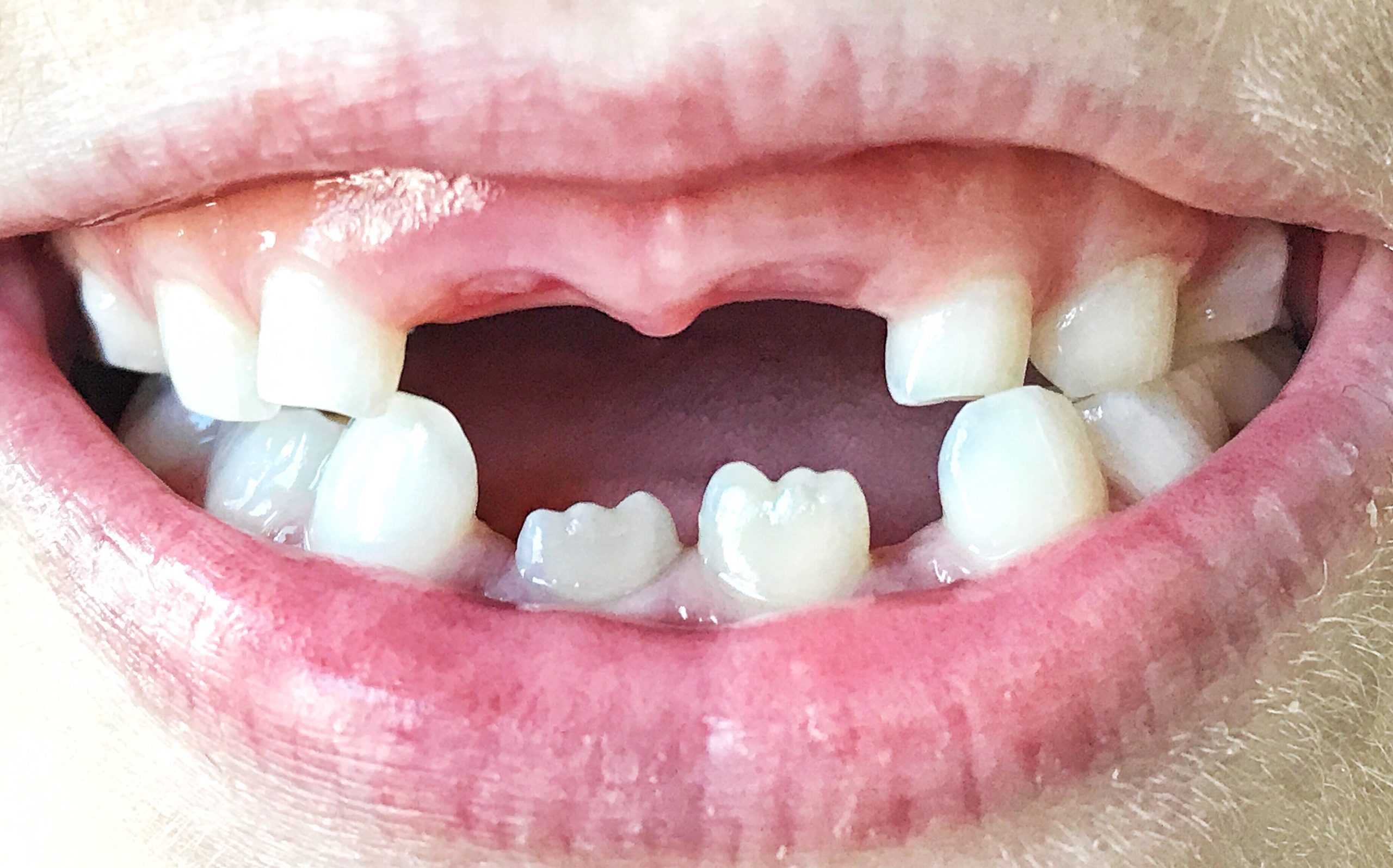
Tooth loss, clinically known as edentulism, is more common than many realize—and it can affect anyone, not just older adults. Whether it’s the result of untreated dental disease, trauma, or other health conditions, edentulism can significantly impact daily life by making it harder to chew, speak clearly, and smile with confidence.
Understanding the causes of edentulism and the modern treatments available is essential for anyone facing tooth loss or caring for a loved one who is. With timely care and personalized treatment, it is possible to regain function, aesthetics, and overall quality of life.
What Is Edentulism?
Edentulism refers to the absence of natural teeth and is typically classified in two categories:
- Partial edentulism: When a person is missing one or more, but not all, of their teeth.
- Complete edentulism: When all teeth are missing in either the upper or lower jaw—or both.
Tooth loss can occur gradually due to oral health decline, or it may happen suddenly due to injury or disease. Regardless of the cause, untreated edentulism can lead to jawbone deterioration, changes in facial structure, and significant lifestyle disruptions.
Common Causes of Edentulism
Several factors may contribute to tooth loss. Some are preventable, while others may result from genetics or underlying health conditions. The most common causes include:
1. Poor Oral Hygiene
Inadequate brushing and flossing can lead to the buildup of plaque and tartar. Over time, this can cause tooth decay and infection severe enough to require tooth extraction.
2. Periodontal (Gum) Disease
Gum disease is a progressive infection that weakens the supporting structures of teeth. Advanced cases—known as periodontitis—can result in loosening of teeth and eventual tooth loss if left untreated.
3. Trauma or Injury
Accidents, sports-related injuries, or falls can cause immediate damage to teeth and the surrounding bone, sometimes requiring extraction.
4. Chronic Health Conditions
Conditions like diabetes, osteoporosis, and certain autoimmune diseases can negatively affect oral health and increase the risk of tooth loss.
5. Lifestyle Factors
Smoking and tobacco use significantly raise the risk of gum disease and slow healing after dental procedures, making tooth loss more likely.
Treatment Options for Edentulism
Today’s restorative dental options are more advanced and personalized than ever. Patients experiencing tooth loss have access to both functional and aesthetic solutions that restore bite strength and enhance appearance.
1. Dentures
Best for: Complete or partial tooth loss in one or both arches
Dentures are removable prosthetics designed to fit comfortably along the gums. They restore appearance and function but may require periodic adjustments over time due to changes in jawbone structure.
- Partial dentures fill gaps caused by a few missing teeth.
- Full dentures replace an entire arch of missing teeth.
Pros:
- Affordable option
- Non-surgical
- Quick to fabricate and fit
Considerations:
- May shift or require adhesive
- Less bite strength than implants
- Periodic replacement needed
2. Dental Implants
Best for: Long-term restoration of one or multiple missing teeth
Dental implants are surgically placed titanium posts that act as artificial tooth roots. Once they integrate with the jawbone, crowns, bridges, or dentures can be securely attached.
Pros:
- Permanent, stable solution
- Helps preserve jawbone density
- Feels and functions like natural teeth
Considerations:
- Requires healthy bone structure
- Higher initial investment
- Involves a multi-step procedure
3. Implant-Supported Dentures
For patients with extensive tooth loss seeking a middle ground, implant-supported dentures offer the stability of implants with the coverage of traditional dentures.
Living with Edentulism: The Importance of Early Action
Tooth loss doesn’t only affect your mouth—it can impact your digestion, speech, nutrition, and even self-esteem. Fortunately, modern dentistry provides effective solutions that are both functional and natural-looking.
If you’re missing teeth or facing ongoing dental issues, the best next step is to schedule a consultation with a restorative dentist. Early treatment not only restores your smile but also prevents further complications like jawbone deterioration or misalignment of remaining teeth.
Conclusion
Edentulism is a serious but treatable condition. With personalized care and today’s advanced restorative techniques, patients can regain control of their oral health and confidence. Whether you’re considering dentures, implants, or a combination of both, your dentist can help guide you toward the right solution.
Tooth loss doesn’t have to define your future. With the right treatment plan, you can eat, speak, and smile with ease again.

Overview
Navigating dental care costs can be daunting, especially without employer-sponsored benefits. With rising out-of-pocket expenses, many patients are now weighing the merits of dental membership plans against traditional dental insurance. While both models aim to make oral healthcare more affordable, they function quite differently—and each offers distinct advantages depending on your needs, budget, and treatment expectations.
In this article, we’ll break down how dental membership plans compare with insurance in key areas: cost, coverage, accessibility, flexibility, and long-term value. Whether you’re uninsured, self-employed, or simply seeking smarter ways to manage dental expenses, understanding these differences can help you make a more informed decision.
What Is a Dental Membership Plan?
Dental membership plans are in-house discount programs offered directly by dental practices. Instead of paying an insurance company, patients pay the provider a flat monthly or annual fee in exchange for routine services and discounts on additional treatments.
Typical Membership Plan Includes:
- Two cleanings per year
- One or two exams annually
- X-rays as needed
- 10–30% off procedures like fillings, crowns, or root canals
These plans eliminate third-party insurers, allowing providers to set straightforward pricing and terms.
What Is Traditional Dental Insurance?
Traditional dental insurance works like other forms of health insurance: patients pay a monthly premium to a provider who then covers part or all of specific dental services, based on a plan agreement. Insurance companies often negotiate rates with providers and establish a network of approved dentists.
Common Features:
- Monthly premiums (often $30–$50+)
- Annual maximum coverage limits (typically $1,000–$1,500)
- Deductibles before benefits apply
- Waiting periods for major procedures
- Copays or coinsurance for certain treatments
While insurance spreads risk and may cover costly procedures, it also adds layers of paperwork, approvals, and potential billing confusion.
Cost Comparison
| Feature | Dental Membership Plan | Dental Insurance |
|---|---|---|
| Monthly Cost | $20–$40 | $30–$60+ |
| Deductibles | None | $50–$150 |
| Annual Maximum | None | $1,000–$1,500 |
| Waiting Periods | None | 6–12 months for major services |
| Discounts on Major Services | 10–30% | Varies, often 50% after deductible |
Key Takeaway: Membership plans offer simpler, more transparent pricing, especially beneficial for those needing only routine care or who don’t want to deal with benefit caps and claims.
Flexibility and Transparency
Membership plans are typically:
- Easy to understand with clearly defined benefits
- Accepted only at the issuing dental practice (no networks)
- Free of claim forms or pre-authorizations
Insurance plans:
- May require prior approval for treatments
- Can restrict which providers you can see (in-network vs. out-of-network)
- Often come with confusing billing codes and coverage limitations
Example: With insurance, a crown may be “covered” but still result in a hefty bill due to copays and lab fees. A membership plan may offer a clear 20% discount off the full price, no questions asked.
Coverage Differences
| Service | Membership Plan | Dental Insurance |
|---|---|---|
| Preventive (cleanings, exams) | Usually 100% included | Often 100% covered |
| Basic procedures (fillings) | Discounted rate | 70–80% after deductible |
| Major services (crowns, bridges) | Discounted rate | 50% after deductible and waiting period |
| Cosmetic dentistry | Sometimes discounted | Rarely covered |
| Orthodontics | Sometimes discounted | Covered only by select plans |
Key Insight: If you’re seeking cosmetic or orthodontic treatment, dental insurance may not help much—whereas some membership plans do include discounts for those services.
Who Benefits Most from Each?
Best Candidates for Membership Plans:
- Uninsured individuals
- Freelancers, retirees, or self-employed professionals
- Patients who primarily need preventive care
- Families with limited dental needs
- Those who prefer transparent, flat-rate pricing
Best Candidates for Dental Insurance:
- Individuals with complex dental needs
- Patients anticipating major treatments (e.g., oral surgery)
- Those with access to employer-sponsored plans
- People comfortable with managing claims and provider networks
Case Example
Scenario:
Sarah, a 35-year-old freelancer, goes to the dentist twice a year and had one cavity filled last year. She compares a $35/month insurance plan with a $300/year membership.
- Membership Plan: Covers her two cleanings, exams, and x-rays, and provides a 25% discount on fillings. Total cost: $300 + $120 (for a filling at 25% off) = $420
- Insurance: $420 annual premium + $50 deductible + 20% coinsurance on a $200 filling = $510
Result: The membership plan was more affordable, easier to manage, and better suited to her routine dental needs.
Final Thoughts
Choosing between a dental membership plan and traditional insurance depends on your oral health goals, financial situation, and coverage preferences. For patients seeking routine care and predictable costs, membership plans offer a simplified, affordable alternative. For those needing extensive procedures or who already have employer-sponsored insurance, a comprehensive insurance plan may provide better financial protection.
Either way, understanding your options is key. Before enrolling, compare actual benefits, limitations, and total out-of-pocket estimates—then choose the plan that best fits your lifestyle and budget.
Looking for dental care without insurance hassles? Ask your local provider if they offer a membership plan tailored to your needs.

When it comes to maintaining a healthy smile, misinformation can be just as harmful as neglect. From outdated advice to viral social media tips, many dental myths persist that can lead people to make poor choices for their oral health. Let’s set the record straight by debunking seven of the most common myths about dental hygiene.
Myth 1: You Only Need to See the Dentist If You Have Pain
Reality:
Dental problems like cavities and gum disease often develop without any symptoms in the early stages. Regular dental visits—ideally every six months—allow your dentist to detect issues before they become painful or costly to treat.
Myth 2: Brushing Harder Cleans Better
Reality:
Brushing with excessive force can actually damage your enamel and irritate your gums. A soft-bristled toothbrush and gentle, circular motions are more effective—and much safer—for cleaning your teeth.
Myth 3: Sugar Is the Only Cause of Cavities
Reality:
While sugar is a major contributor to tooth decay, it’s not the only one. Starchy foods like chips and bread can also break down into sugars, feeding cavity-causing bacteria. Poor oral hygiene, dry mouth, and acidic beverages also play a role.
Myth 4: You Don’t Need to Floss If You Brush Well
Reality:
Brushing only cleans about 60% of your tooth surfaces. Flossing removes plaque and food debris from between the teeth and under the gumline—areas your toothbrush can’t reach. Skipping flossing can leave your gums vulnerable to disease.
Myth 5: Whitening Toothpaste Can Dramatically Whiten Teeth
Reality:
Whitening toothpaste can remove surface stains, but it won’t change the natural color of your teeth. For more noticeable whitening, professional treatments are more effective and safer for your enamel.
Myth 6: Gum Bleeding During Brushing Is Normal
Reality:
Bleeding gums are not normal—they’re often a sign of gingivitis or early gum disease. If you notice blood when brushing or flossing, it’s time to step up your oral hygiene routine and schedule a dental check-up.
Myth 7: Chewing Gum Is a Substitute for Brushing
Reality:
Chewing sugar-free gum, especially one containing xylitol, can help stimulate saliva and clean the mouth temporarily. But it’s no replacement for brushing and flossing, which physically remove plaque and bacteria.
Conclusion
Good oral health isn’t just about brushing twice a day—it’s also about separating fact from fiction. Understanding what really works (and what doesn’t) is the first step toward a healthier mouth. When in doubt, rely on your dental professional—not dental myths—to guide your routine.

Running a dental practice today means more than just offering great care—it also means staying competitive in a digital world where patients are Googling “dentist near me” before ever picking up the phone. That’s where dental marketing agencies come in. But is hiring one really worth it?
Let’s break it down. Whether you’re a solo practitioner or managing a multi-location practice, understanding the value of a dental marketing agency can help you decide if it’s the right investment for your growth.
What Does a Dental Marketing Agency Do?
At its core, a dental marketing agency helps your practice attract, convert, and retain more patients. Their services may include:
- Search Engine Optimization (SEO) to boost your visibility in local searches
- Google Ads (PPC) management to generate immediate patient leads
- Social media content and advertising to build brand awareness and engagement
- Website design and optimization to ensure a smooth user experience
- Reputation management to collect more 5-star reviews
- Email and SMS marketing to improve patient retention and reactivation
In short, these agencies are specialists in promoting dental practices online, so you don’t have to become a full-time marketer while running your clinic.
Why Dentists Struggle with DIY Marketing
Most dentists didn’t go to school to learn how to run Facebook ads or optimize landing pages—and that’s okay. Here’s why DIY marketing often falls short:
- Time Constraints – You’re busy treating patients, managing staff, and running operations.
- Lack of Strategy – You might post on social media occasionally, but without a clear plan, results are inconsistent.
- Ad Budget Misuse – Without experience, it’s easy to waste ad spend on the wrong audience or keywords.
- Missed Analytics – Understanding what’s working and what’s not requires tracking, reporting, and testing—something many practices skip.
This is where a professional team steps in with tools, experience, and strategy.
Top Benefits of Hiring a Dental Marketing Agency
1. You Attract More of the Right Patients
A good agency doesn’t just send traffic to your website—they attract patients who are ready to book. Whether it’s Invisalign, implants, or general checkups, your campaigns will be designed to target people actively searching for those services.
2. Faster Growth with Less Guesswork
Marketing agencies already know what works in the dental space. That means faster implementation, better ROI, and fewer expensive mistakes. You skip the trial-and-error phase and go straight to what delivers.
3. You Free Up Your Time
No more late nights tweaking ads or writing Instagram captions. Agencies handle your marketing so you and your team can stay focused on patient care.
4. You Stay Competitive
Your competitors are investing in digital marketing. If you’re not showing up on the first page of Google or in someone’s Facebook feed, chances are your competition is.
5. Better ROI Through Data
Agencies don’t just launch campaigns—they monitor and optimize them. From click-through rates to conversion tracking, they use analytics to refine performance and increase your return on investment over time.
But… Is It Really Worth the Cost?
This is the biggest question—and it depends on how you value your time and your growth goals.
Let’s say a small agency charges $2,000/month. That may sound steep at first, but what if they bring in 30 new patients a month with an average value of $400 each? That’s $12,000 in new production for a $2K investment.
Now factor in patient retention. Many of those new patients return for follow-ups, hygiene, and future procedures. That marketing spend quickly turns into a long-term revenue stream.
When You Shouldn’t Hire a Marketing Agency
It’s important to know when not to bring in outside help. You might want to hold off if:
- Your schedule is already full and you’re not looking to grow
- You have an in-house marketing coordinator who’s driving results
- You don’t have the budget to invest consistently over 3–6 months
- You’re not yet tracking your current performance (start there first)
Agencies amplify what’s already working. If your practice isn’t ready for that next step, focus on getting your internal systems dialed in first.
Final Thoughts
Hiring a dental marketing agency can be worth it—when you’re ready to grow, attract better-fit patients, and relieve your team of the heavy lifting. It’s not a magic fix, but it is a strategic partnership that can unlock sustainable growth and a stronger brand presence.
If you’re feeling stuck or overwhelmed by your current marketing efforts, outsourcing to experts may be the smartest move you make this year. Just make sure you choose a team that understands dentistry, listens to your goals, and delivers clear, measurable results.


Top Seasonal Dental Promotions: Summer, Back-to-School & Holiday Savings

Dental Membership Plans vs. Insurance: Which Offers Better Deals?

Affordable Access to Expert Dental Care: Atlanta Dental Center Offers New Patient and Implant Consult Specials

AI Revolutionizes Dental Diagnostics: Multinational Study Shows AI Matches Human Accuracy in Panoramic Radiograph Analysis
Affordable Access to Expert Dental Care: Atlanta Dental Center Offers New Patient and Implant Consult Specials

Is Getting a Dental Marketing Agency Worth It?
