
Smile Transformations
How General and Cosmetic Dentistry Work Together for a Complete Smile Transformation

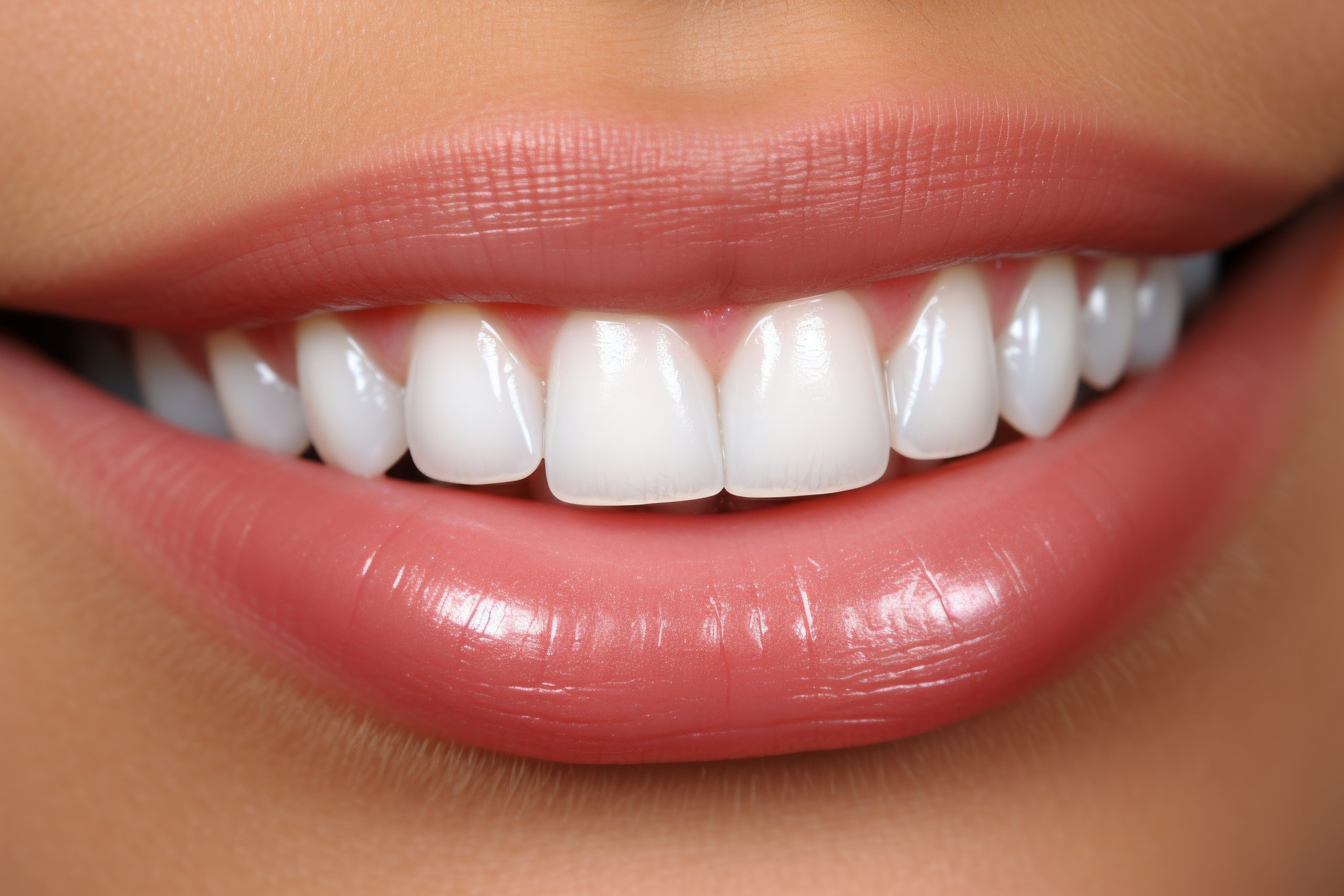
A healthy, confident smile often requires more than just routine dental check-ups or aesthetic touch-ups alone. Increasingly, patients are benefiting from treatment plans that combine general and cosmetic dentistry, offering both improved function and enhanced appearance. By integrating preventive care with targeted cosmetic procedures, individuals can achieve a smile that looks great and functions optimally.
This approach ensures that the foundations of oral health—such as hygiene, structure, and bite alignment—are addressed alongside cosmetic concerns like tooth color, shape, and spacing.
Benefits of Combining General and Cosmetic Dentistry
1. Comprehensive Dental Care
General dentistry focuses on maintaining oral health through cleanings, fillings, and disease prevention. Cosmetic dentistry, on the other hand, addresses visual aspects of the teeth. Together, they provide:
- A complete evaluation of both health and aesthetics
- Opportunities to correct and enhance during the same treatment period
- A strategy for long-term oral wellness
2. Enhanced Confidence and Functionality
Patients not only receive care that supports their oral health but also walk away with a smile that reflects their personal goals. This dual benefit can improve:
- Self-esteem and social confidence
- Speech clarity and chewing efficiency
- Overall satisfaction with appearance and function
3. Customized Treatment Planning
By integrating both specialties, providers can design a plan that aligns with each patient’s specific goals and clinical needs. This may include:
- Functional treatments like crowns or fillings
- Cosmetic enhancements like whitening or veneers
- Coordination of timelines for a streamlined treatment process
Common Procedures That Combine Both Disciplines
Teeth Whitening
Often performed as a finishing step after general care like cleanings or restorative work, professional whitening helps eliminate stains and refresh the overall appearance of healthy teeth.
Porcelain Veneers
Veneers cover imperfections such as chips, discoloration, or gaps. When paired with general treatments—like replacing old fillings or treating gum disease—they offer aesthetic improvement with structural support.
Dental Implants
Dental implants replace missing teeth while preserving jawbone integrity. When combined with general oral surgery or hygiene care, implants provide a functional and natural-looking solution for long-term tooth loss.
Dental Bonding and Tooth Reshaping
Used to improve symmetry or repair minor damage, bonding and reshaping are effective when performed after general care. These treatments allow patients to address both form and function in a single visit or phased plan.
Choosing a Dentist Skilled in Both Areas
For the best outcome, patients should seek a provider with experience in both general and cosmetic dentistry. Key factors to consider include:
- Comprehensive service offerings under one roof
- A portfolio of past cases, including before-and-after photos
- Patient testimonials and reviews that reflect both clinical skill and aesthetic judgment
- Willingness to collaborate on a personalized treatment plan
A skilled provider will also take the time to explain options, sequence treatments logically, and ensure patients understand both the benefits and limitations of each approach.
Conclusion
Combining general and cosmetic dentistry allows patients to achieve complete smile transformations that go beyond aesthetics. This integrated care model prioritizes health, function, and beauty—delivering results that are not only visually appealing but also durable and sustainable.
By partnering with a dentist trained in both disciplines, patients can develop customized treatment plans that align with their individual goals and oral health needs, setting the foundation for a lifelong, confident smile.


In today’s patient-centered care landscape, dentistry is evolving beyond clinical procedures to embrace emotional wellness. Cosmetic treatments, once viewed solely as aesthetic enhancements, are now recognized for their role in improving self-image, social confidence, and overall mental health. Dentists—especially those who specialize in smile design—are emerging as key advocates for mental health through transformative care that touches both appearance and self-perception.
This shift reflects broader awareness of the mind-body connection, where the condition of one’s smile can deeply affect emotional well-being and social interaction.
Understanding the Link Between Oral Aesthetics and Mental Health
The appearance of a person’s smile often carries significant emotional weight. Issues such as missing teeth, staining, or misalignment may lead to feelings of embarrassment, self-consciousness, and even social withdrawal. These psychological burdens can have real-world impacts, from diminished self-esteem to avoidance of professional or personal engagements.
By addressing visible dental concerns, smile transformations can help:
- Enhance self-confidence in both social and professional contexts
- Reduce anxiety related to speaking, smiling, or being photographed
- Improve self-image, leading to greater life satisfaction and resilience
While these outcomes may begin with physical changes, their effects reach far beyond the clinical setting.
Dentists as Mental Health Advocates
Dentists are uniquely positioned to influence both the physical and psychological dimensions of care. Increasingly, they are taking a more holistic approach—understanding that a patient’s emotional needs often accompany their clinical concerns.
Key Areas of Impact Include:
- Active Listening: Patients seeking cosmetic procedures often express personal insecurities tied to their appearance. Dentists who provide a supportive, empathetic environment contribute to a positive emotional experience from the outset.
- Collaborative Planning: Smile transformations are tailored not just to dental anatomy, but also to the patient’s goals and self-perception. Collaborative consultations allow patients to feel seen, heard, and involved in their care.
- Ongoing Support: Post-treatment, dentists often continue to engage with patients, reinforcing healthy habits and providing reassurance. This sustained relationship can have long-term benefits for emotional stability and self-care.
Cosmetic Dentistry and Its Psychological Benefits
Smile transformations may include procedures such as:
- Teeth whitening
- Porcelain veneers
- Dental bonding
- Implants or full-arch restorations
While each of these treatments addresses specific functional or aesthetic concerns, the cumulative effect is often an improved sense of self-worth. A confident smile can change how individuals interact with the world—and how they see themselves.
Reported Benefits Include:
- Improved social engagement
- Greater professional confidence
- Reduced feelings of shame or avoidance
- Positive shifts in mood and mental clarity
These benefits align closely with the goals of mental health interventions, further highlighting dentistry’s expanding role in emotional well-being.
Growing Focus on Holistic, Patient-Centered Care
This evolution in dental care reflects a larger shift toward holistic health models, where physical, emotional, and psychological well-being are viewed as interconnected.
The integration of mental health awareness in dentistry is also supported by recent research linking poor oral health to increased rates of depression, anxiety, and low self-esteem. Addressing oral concerns proactively can, in turn, contribute to a healthier mental outlook.
This awareness is driving:
- Greater investment in dental-mental health training
- More interdisciplinary collaborations between dental professionals and behavioral health specialists
- Educational initiatives that help patients understand the emotional value of oral health
Conclusion
The evolving role of dentists goes far beyond managing cavities or correcting alignment. By acknowledging the emotional impact of a smile, dental professionals are increasingly seen as allies in mental health care. Smile transformations—when executed with clinical precision and emotional sensitivity—can be a gateway to improved confidence, well-being, and quality of life.
As awareness grows, so does the potential for dentistry to contribute meaningfully to the broader conversation on mental health—one smile at a time.

Living with failing teeth or uncomfortable dentures can significantly affect a person’s quality of life—from eating and speaking to socializing and smiling confidently. Customized full-arch transformations provide a long-term, natural-looking solution designed to restore comfort, function, and appearance for individuals dealing with extensive tooth loss.
Smile Complete is more than just a dental procedure—it’s a comprehensive and collaborative approach to rebuilding smiles with implant-supported fixed teeth tailored to each patient’s unique needs.
What Is Smile Complete?
Smile Complete is a customized full-arch implant solution for patients who have lost multiple teeth or are living with compromised oral health. Unlike removable dentures or one-size-fits-all treatments, Smile Complete involves a full set of implant-supported replacement teeth that are stable, non-removable, and designed to replicate the look and feel of natural teeth.
Each treatment plan is uniquely crafted with input from a team of dental professionals, including the patient’s restorative dentist, hygienist, implant specialists, and dental laboratory technicians.
Benefits of Smile Complete
1. Improved Function and Nutrition
Dental implants act as artificial tooth roots, providing a strong, stable foundation for prosthetic teeth. This allows patients to:
- Eat a wider variety of foods
- Chew efficiently
- Digest more effectively
- Improve overall health
2. Enhanced Confidence and Quality of Life
Beyond functional benefits, Smile Complete helps restore:
- Natural facial contours
- A confident, secure smile
- Comfort in speaking and social interactions
The emotional impact of a confident, full smile cannot be overstated.
3. A Natural-Looking Smile
Smile Complete treatments are fully customized to match the patient’s desired tooth shape, color, and size. This personalization ensures the final result is both aesthetically pleasing and functionally precise.
4. Fixed and Stable Prosthetics
Unlike traditional dentures that can slip, irritate, or require adhesives, Smile Complete prosthetics are secured with dental implants and do not move. The result is enhanced comfort, reliability, and peace of mind in daily activities.
Why a Team Approach Matters
Smile Complete is built around a collaborative care model, often called the team approach. This means:
- The restorative dentist brings deep knowledge of the patient’s dental history and helps design the smile
- The hygienist provides ongoing maintenance support to ensure long-term success
- Experienced implant surgeons and lab technicians ensure technical precision at every step
For patients who do not currently have a restorative dentist, the team approach includes referral to qualified partners for complete, integrated care.
The Smile Complete Treatment Process
1. Comprehensive Evaluation
The journey begins with a thorough consultation and 3D imaging to assess:
- Bone volume and density
- Remaining teeth
- Facial structure and esthetic goals
These diagnostic scans are used to create a customized surgical and restorative plan.
2. Smile Design
During the smile design phase, the dental team:
- Takes digital impressions and photographs
- Selects tooth shape and shade
- Prepares the aesthetic blueprint for the final result
3. Implant Surgery and Temporary Prosthesis
The surgical phase includes:
- Extraction of any remaining failing teeth in the treated arch
- Placement of dental implants
- Attachment of a fixed, temporary prosthesis
The patient leaves the appointment with a functional, esthetic set of teeth while the implants heal and integrate with the bone.
4. Final Prosthetic Placement
After a healing period (typically several months), the patient returns for:
- Final impressions
- Fitting and attachment of the permanent prosthetic
- Adjustments to ensure a natural, functional, and beautiful result
Conclusion
Smile Complete customized full-arch transformations offer more than just a solution for missing or failing teeth—they offer a path to restored health, confidence, and quality of life. With a patient-centered design, expert collaboration, and the durability of implant-supported teeth, Smile Complete provides a reliable, lasting alternative to removable dentures or traditional fixed bridges.
For individuals seeking a transformation that feels as natural as it looks, Smile Complete is a modern solution built on precision, personalization, and long-term results.
Smile Transformations
Smile Restoration Without Braces: A Case Study in Tooth Replacement Using Emax Bridges

A finance professional from Switzerland sought a functional and aesthetic dental solution to replace his congenitally missing lateral incisors. Preferring to avoid traditional orthodontics, he consulted several specialists before selecting a treatment plan involving Emax bridges. This case study outlines the clinical strategy, procedural steps, and follow-up care that led to a successful smile rehabilitation.
Clinical Background
The patient’s primary concern was the visual and structural absence of his lateral incisors. Missing lateral incisors can impact dental symmetry, midline alignment, and overall facial harmony. The goal was to create a natural-looking, balanced smile without extended orthodontic treatment.
Key challenges included:
- Creating space for restorations
- Aligning dental and facial midlines
- Ensuring stable bite function
- Delivering a prosthetic solution that matched natural dentition in both color and form
Treatment Planning
Space Management and Planning
Initial assessments focused on evaluating the space left by the missing lateral incisors and the surrounding dental architecture. Proper spacing is critical to support durable restorations that function like natural teeth.
The team opted to use Emax bridges with pink ceramic to create the illusion of soft tissue and maintain proper spacing and symmetry. Advanced imaging was used to plan the contours and exact dimensions for optimal fit.
Midline Alignment
To achieve aesthetic symmetry, the dental midline needed to align with the facial midline. The strategy involved designing a three-unit bridge that would both replace the lateral incisor and reposition the adjacent canine for a seamless appearance. Attention to midline alignment helped support both aesthetic goals and occlusal balance.
Clinical Procedures
Bridge Fabrication and Material Selection
A three-unit bridge was fabricated using Emax, a lithium disilicate ceramic known for its durability and translucency. The design included:
- A pontic for the missing lateral incisor
- Contouring of the adjacent canine to function and appear as a natural lateral
- Pink ceramic to recreate soft tissue contours
Emax was chosen for its strength, lifelike appearance, and ability to integrate seamlessly with surrounding teeth.
Bite Correction
The patient presented with a collapsed bite, requiring elevation of occlusal vertical dimension. Treatment involved preparation of ten upper teeth (first molar to first molar) and fourteen lower teeth. Lower tooth preparation was largely prepless, except for edge softening, to preserve enamel.
The objective was to restore function and esthetics while minimizing invasiveness.
Final Placement
Once fabrication was complete, the Emax restorations were seated and adjusted for fit and function. The integration of pink ceramic provided natural-looking gingival contours. The alignment, color match, and occlusion were finalized chairside to ensure comfort and esthetic satisfaction.
The prosthetic elements offered:
- Restoration of missing teeth
- Improved smile symmetry
- Enhanced function without orthodontic movement
Six-Month Follow-Up
At the six-month review, the patient presented with:
- Healthy soft tissue around the restorations
- Stable occlusion
- No complications with hygiene or functionality
The restorations remained intact, and the patient reported increased confidence in both professional and social settings.
Conclusion
This case illustrates a prosthetic approach to congenital tooth absence that avoids traditional orthodontic treatment while achieving high aesthetic and functional standards. The use of Emax bridges and pink ceramic enabled precise space management, midline alignment, and bite correction.
Through interdisciplinary planning and the use of modern materials, a complex condition was addressed with a streamlined and minimally invasive solution. The outcome demonstrates how restorative techniques can be tailored to individual needs—enhancing both appearance and quality of life without sacrificing biological structure or patient comfort.


Top Seasonal Dental Promotions: Summer, Back-to-School & Holiday Savings

Dental Membership Plans vs. Insurance: Which Offers Better Deals?

Affordable Access to Expert Dental Care: Atlanta Dental Center Offers New Patient and Implant Consult Specials

AI Revolutionizes Dental Diagnostics: Multinational Study Shows AI Matches Human Accuracy in Panoramic Radiograph Analysis
Affordable Access to Expert Dental Care: Atlanta Dental Center Offers New Patient and Implant Consult Specials

Is Getting a Dental Marketing Agency Worth It?
