
Dental News
Fluoride-Free Dentistry Gains Attention as Parents Seek More Control Over Oral Health Decisions

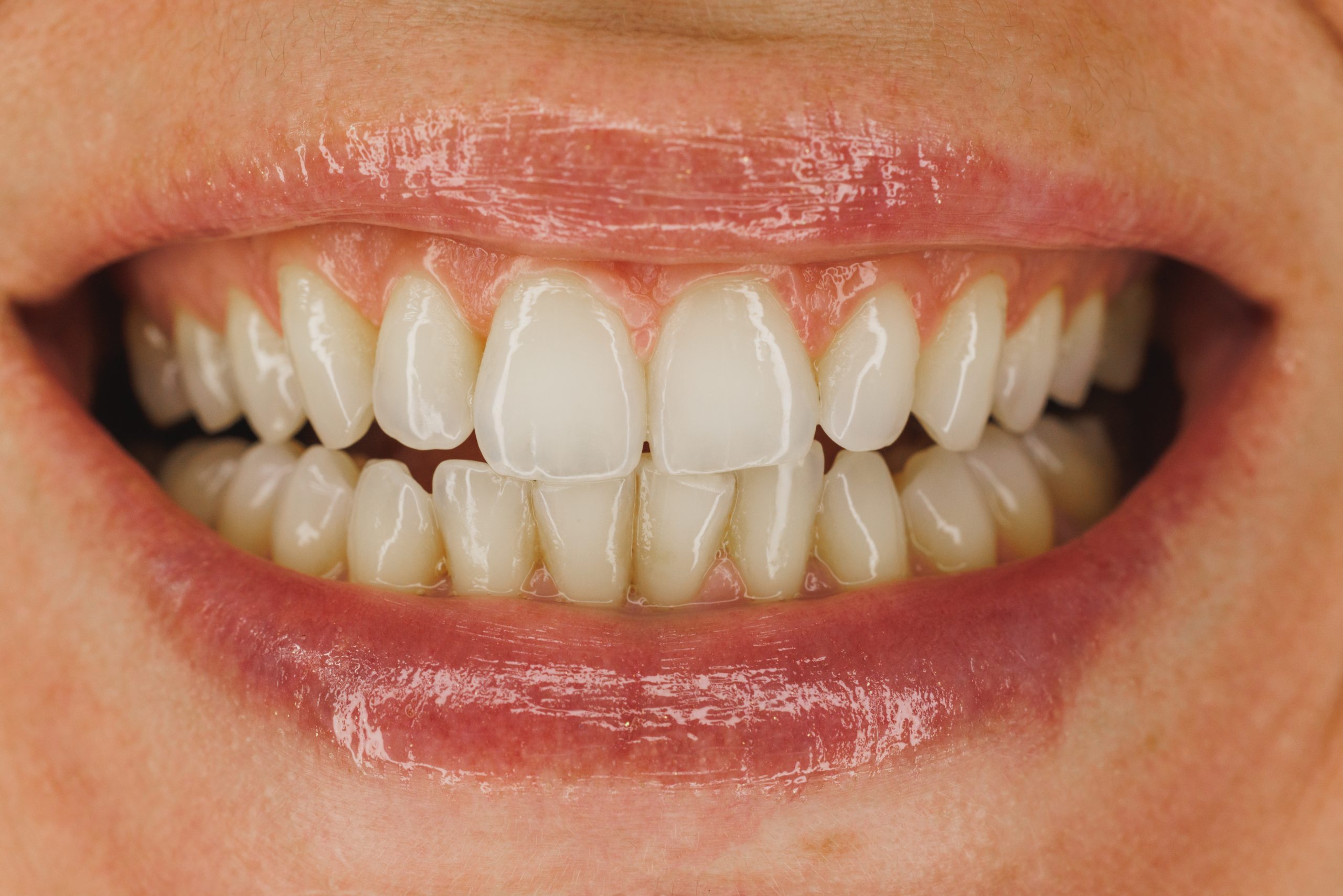
Across the U.S., a growing number of parents are requesting fluoride-free dental care, driven by health concerns, online discussions, and a broader cultural shift toward personalized health choices. While fluoride remains widely recommended by dental authorities for its cavity-preventing benefits, some families are opting out—raising questions among providers about how to navigate these evolving preferences.
The trend highlights a rising demand for “holistic” or “biological” dentistry, a care model that emphasizes minimally invasive treatment and patient autonomy. Experts say the key to addressing this shift is open, evidence-informed dialogue between providers and families.
What Is Fluoride and Why Is It Used?
Fluoride is a naturally occurring mineral found in soil, water, and certain foods. In dentistry, it is used to:
- Strengthen enamel by replenishing lost minerals
- Reduce cavity risk by neutralizing acid-producing bacteria
- Support public health when added to community water supplies
The Centers for Disease Control and Prevention (CDC) ranks water fluoridation among the top public health achievements of the 20th century, citing a 25% reduction in dental caries among children and adults. Still, concerns about systemic fluoride exposure have led some communities—and individuals—to reconsider its use.
Why Are Parents Choosing Fluoride-Free Options?
Parental concern about fluoride is not new, but recent political developments and online discourse have amplified the conversation. Supporters of anti-fluoride policies, including Health and Human Services Secretary Robert F. Kennedy Jr., have fueled skepticism toward fluoride’s safety, despite decades of scientific consensus supporting its use.
Across parenting forums and social media, some families describe switching to:
- Hydroxyapatite toothpaste
- Fluoride-free mouth rinses
- Dentists who avoid in-office fluoride treatments
For many, the decision is less about rejecting science and more about asserting control over their child’s health in a time of heightened vigilance about ingredients, exposures, and long-term risks.
What Do Dental Experts Recommend?
Dental professionals continue to advocate for fluoride use, especially in patients with elevated risk for decay. The American Dental Association (ADA) and the American Academy of Pediatric Dentistry (AAPD) support fluoride varnish and fluoridated toothpaste as effective, safe, and accessible preventive measures.
However, providers acknowledge the importance of:
- Respecting patient autonomy
- Providing balanced information
- Offering alternatives where appropriate
Dr. Naomi Sedani, a pediatric dentist in Connecticut, notes that while she personally recommends fluoride, she allows families to make the final decision. “I’m here to tell you the information, and you can make the decision,” she says.
Balancing Evidence With Patient Choice
Some families are fully committed to fluoride-free care, while others arrive with conflicting information and uncertainty. According to Sedani, open conversations often lead to acceptance of fluoride treatments once safety and benefits are explained. In her experience, most parents who initially express doubt choose fluoride varnish after discussing the science.
Still, she emphasizes that fluoride is only one part of the equation. Brushing habits, diet, flossing, and regular checkups also play critical roles in maintaining oral health.
The Role of Biological Dentistry
Biological or holistic dentists, such as Dr. David Villarreal in California, have long practiced fluoride-free care. These providers often belong to organizations like the International Academy of Oral Medicine and Toxicology (IAOMT) and prioritize lower-toxicity treatments while acknowledging some level of clinical compromise.
The biological model appeals to patients seeking:
- Fewer synthetic materials
- Alternatives to traditional preventive agents
- A dental philosophy that connects oral and systemic health
However, experts caution that misinformation can complicate care. Some online claims—such as reversing cavities without professional treatment—are only valid in early-stage decay and not supported in cases where damage has progressed.
What the Research Says
A 2024 report from the U.S. Department of Health and Human Services identified potential risks associated with fluoride levels above 1.5 mg/L, noting a correlation with lower IQ in children. However, public health officials emphasize that fluoridation in U.S. systems is capped at 0.7 mg/L, well below that threshold.
While concerns about fluoride toxicity persist, no current alternative offers the same proven effectiveness for population-wide cavity prevention.
Conclusion
The fluoride debate reflects broader shifts in health decision-making, where families seek transparency, autonomy, and personalized care. Dentists are responding with flexibility and education, aiming to preserve trust while guiding patients toward evidence-based practices.
At its core, this is less a fight over fluoride and more a conversation about how care is delivered—and how patients and providers can work together to support health outcomes.
Dental News
AI Revolutionizes Dental Diagnostics: Multinational Study Shows AI Matches Human Accuracy in Panoramic Radiograph Analysis


A Breakthrough in Dental Imaging Technology
In a groundbreaking development for the dental field, a recent multinational study has found that artificial intelligence (AI) systems can match the diagnostic accuracy of trained dental professionals when interpreting panoramic radiographs. The findings suggest that AI could play a critical role in enhancing diagnostic consistency, efficiency, and accessibility in dental care.
What Are Panoramic Radiographs?
Panoramic radiographs, also known as orthopantomograms (OPGs), provide a two-dimensional image of the entire mouth, including the teeth, jaws, and surrounding structures. Dentists rely on these images to identify a range of issues—from tooth decay and gum disease to tumors and jaw disorders. However, the interpretation of these radiographs can be subjective and may vary depending on the clinician’s experience and training.
Study Design and Scope
The international study involved researchers and dental institutions across several countries, including the United States, Germany, South Korea, and Brazil. Over 100,000 anonymized panoramic images were used to train and test a deep learning AI model. The AI was assessed on its ability to detect common dental conditions, such as:
- Impacted teeth
- Dental caries (cavities)
- Periapical lesions
- Missing teeth
- Bone loss due to periodontal disease
The performance of the AI model was then compared to that of practicing dentists and radiologists who reviewed the same images independently.
Key Findings
The results were striking. The AI system demonstrated diagnostic accuracy on par with human experts across nearly all diagnostic categories. Specific highlights include:
- Overall diagnostic accuracy: 94.7% for AI vs. 94.9% for human clinicians
- Cavity detection: 96.2% accuracy for AI, closely matching the 96.4% by clinicians
- Detection of periapical lesions: 93.5% for AI vs. 93.7% for humans
- Identification of impacted teeth: AI slightly outperformed humans at 95.6% vs. 95.1%
The study concluded that well-trained AI models can serve as a reliable second opinion or screening tool in routine dental practice.
Implications for Dental Practices
The integration of AI into dental diagnostics holds several promising benefits:
- Enhanced Efficiency: AI can analyze radiographs in seconds, reducing diagnostic time.
- Improved Consistency: AI helps standardize evaluations and reduce variability between clinicians.
- Access to Expertise: In underserved or rural areas, AI tools can provide expert-level insights where specialists are unavailable.
- Cost Savings: Faster, automated diagnostics can reduce appointment times and improve workflow efficiency.
Caveats and the Human Element
Despite the promising results, experts caution that AI should complement, not replace, clinical judgment. Human dentists bring essential contextual knowledge, patient interaction, and ethical decision-making to the diagnostic process. Additionally, while AI models are excellent at identifying patterns in imaging data, they are limited in assessing patient history, pain symptoms, and other non-visual cues.
Future Outlook
With regulatory frameworks catching up and more dental practices adopting digital tools, AI-assisted diagnostics are expected to become increasingly mainstream. Future AI applications may go beyond image analysis to include predictive analytics, treatment planning, and even patient education.
As research continues to validate the technology, AI is poised to become an invaluable asset in improving the speed, accuracy, and accessibility of dental care worldwide.

On May 8, a bipartisan group of lawmakers reintroduced the Ensuring Lasting Smiles Act (ELSA) to Congress, a bill designed to ensure health insurance coverage for individuals born with congenital anomalies or birth defects. If passed, the legislation would require private health plans to cover medically necessary treatment, including dental and reconstructive procedures that are often denied under current policies.
With broad support from healthcare professionals, patient advocacy groups, and dental organizations such as the American Dental Association (ADA), the bill represents a critical step toward expanding access to essential care for millions of Americans.
What the Ensuring Lasting Smiles Act Would Do
The legislation seeks to close long-standing coverage gaps that leave patients—many of them children—without access to treatments that restore function and improve quality of life. Specifically, the bill would:
- Mandate insurance coverage for inpatient and outpatient care related to congenital conditions that affect the mouth, jaw, teeth, ears, and eyes.
- Ensure that adjunctive procedures such as dental, orthodontic, and prosthodontic services are included when deemed medically necessary by a physician.
- Exclude purely cosmetic procedures, focusing only on services that restore or improve physical function or health outcomes.
Why the Bill Matters
Millions of Americans living with congenital anomalies—such as cleft palate, ectodermal dysplasias, or craniofacial disorders—face significant financial barriers to receiving necessary care. Although these treatments are often considered essential for basic health and functioning, insurance companies frequently classify them as cosmetic, resulting in denied claims or high out-of-pocket costs.
Senator Tammy Baldwin (D-WI), a lead sponsor of the bill, emphasized the urgency:
“Medically necessary care for birth defects can cost thousands of dollars out of pocket, or for others, it is entirely out of reach despite having health insurance.”
The legislation aims to ensure that families no longer have to choose between forgoing treatment and facing financial hardship.
A History of Bipartisan Support
First introduced in previous congressional sessions, the Ensuring Lasting Smiles Act passed the U.S. House of Representatives in 2022 following advocacy by ADA members and its inclusion in ADA Dentist and Student Lobby Day efforts. Despite strong bipartisan support, the bill did not advance through the Senate before the end of the legislative session.
This renewed push, led by Senators Tammy Baldwin and Joni Ernst and Representatives Kim Schrier, M.D., and Neal Dunn, M.D., aims to break through the previous roadblocks and move the bill toward enactment.
Organizations Backing the Legislation
The Ensuring Lasting Smiles Act is backed by a broad coalition of more than 30 national organizations, including:
- American Dental Association (ADA)
- American Academy of Pediatric Dentistry
- American Association of Oral and Maxillofacial Surgeons
- National Foundation for Ectodermal Dysplasias
- American Cleft Palate Craniofacial Association
- TMJ Association
- American Society of Plastic Surgeons
- FACES: The National Craniofacial Association
These organizations agree that existing insurance practices disproportionately harm patients with medically complex dental and facial conditions—many of whom require multi-phase care beginning in early childhood and continuing through adolescence.
Looking Ahead
If passed, the Ensuring Lasting Smiles Act would establish a legal standard for insurers to cover care that is vital to a patient’s health, not just their appearance. For the dental and medical communities, it represents progress toward a more equitable system where function, health, and access matter as much as aesthetics.
Families impacted by congenital conditions, along with their care providers, are hopeful that renewed bipartisan commitment will lead to lasting change.
Dental Clinics
Dentsply Sirona Recognized for Responsibility and Expands Care to Indigenous Communities

Dentsply Sirona, a global leader in dental technologies and innovation, has once again been named one of America’s Most Responsible Companies by Newsweek—a recognition that reflects its long-term commitment to sustainability, healthcare equity, and global impact. The announcement comes alongside another major milestone: the opening of a digital dental clinic in an indigenous village in Brazil’s Atlantic Forest.
The initiative, developed in partnership with the nonprofit Amazon Doctors, represents a new chapter in accessible, tech-enabled oral health care for underserved populations.
Recognition for Corporate Responsibility
This is the fourth time Dentsply Sirona has earned Newsweek’s prestigious distinction, which highlights companies demonstrating exceptional environmental, social, and governance (ESG) performance. The ranking credits Dentsply Sirona’s ongoing sustainability program, BEYOND: Taking Action for a Brighter World, and its dedication to expanding access to quality oral healthcare around the world.
“We are proud to receive this recognition,” said Andrea Frohning, Senior Vice President and Chief Human Resources Officer. “It underscores our long-standing commitment to improving access to oral healthcare globally and creating healthy smiles.”
New Clinic Brings Digital Dentistry to Rio Silveira Village
As part of this commitment, Dentsply Sirona has collaborated with the Amazon Doctors to launch the first-ever digital dental clinic in the Rio Silveira village, home to approximately 1,000 indigenous residents on the north coast of São Paulo, Brazil.
The clinic, built in a 70-square-meter facility, is equipped with cutting-edge technology donated by Dentsply Sirona, including:
- A Primescan AC intraoral scanner
- A Sinius dental chair
- Tools for digital impressions, treatment planning, and diagnostics
These tools will enable the clinic to perform around 40 dental procedures per week, including restorative, endodontic, and prosthetic treatments—all tailored to the unique needs of the local community.
Empowering Health Through Long-Term Partnership
Dr. Caio Machado, founder of the Amazon Doctors, emphasized the importance of collaboration in achieving long-term health outcomes:
“By joining forces with Dentsply Sirona, we are improving access to oral health and strengthening the dignity, well-being, and autonomy of indigenous peoples.”
The partnership between Amazon Doctors and Dentsply Sirona spans nearly a decade, during which medical teams have traveled more than 60,000 kilometers across Brazil to provide care. To date, they’ve delivered over 100,000 dental treatments across 52 indigenous communities.
A Broader Commitment to Global Impact
The Rio Silveira project is just one part of Dentsply Sirona’s broader mission. As part of its BEYOND sustainability program, the company has committed to enabling 25 million smiles by the end of 2025 through partnerships with organizations such as:
- Smile Train
- TeamSmile
- Project 32
These partnerships focus on increasing access to dental care for underserved and vulnerable populations globally.
Conclusion
Dentsply Sirona’s latest achievements represent more than industry recognition—they signal real, lasting change in how dental care is delivered across underserved communities. From indigenous clinics in the Brazilian rainforest to global sustainability goals, the company continues to redefine what responsible dentistry looks like in the modern era.
As the BEYOND program continues to scale, Dentsply Sirona reaffirms that technology, access, and empathy must go hand-in-hand to shape the future of oral health worldwide.


Top Seasonal Dental Promotions: Summer, Back-to-School & Holiday Savings

Dental Membership Plans vs. Insurance: Which Offers Better Deals?

Affordable Access to Expert Dental Care: Atlanta Dental Center Offers New Patient and Implant Consult Specials

Are Healthy Teeth Being Removed for Profit? Experts Raise Red Flags on Dental Implants

AI Revolutionizes Dental Diagnostics: Multinational Study Shows AI Matches Human Accuracy in Panoramic Radiograph Analysis

Is Getting a Dental Marketing Agency Worth It?
