Oral Health
Why Regular Dentist Appointments Are Essential for Your Health

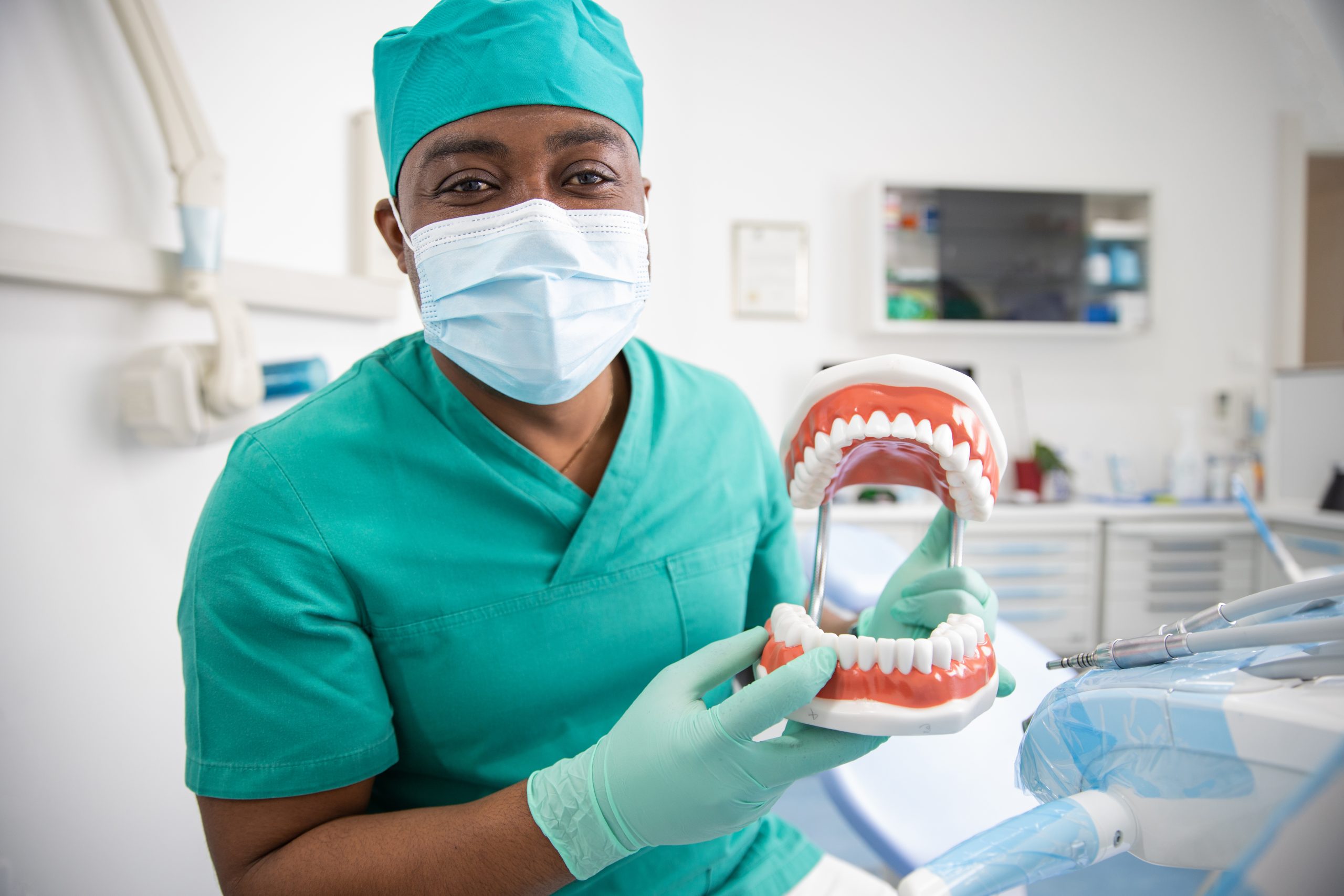
Routine dental appointments are more than just an opportunity to polish your smile—they are a critical part of preventive healthcare. Skipping these visits can lead to problems that affect not just your teeth and gums, but your overall well-being. When dental care becomes a regular habit, you invest in a healthier future, catching issues early and avoiding costly complications.
1. Preventing Oral Health Problems Before They Start
The most immediate benefit of regular checkups is prevention. Professional cleanings remove plaque and tartar buildup that brushing and flossing alone can’t address. During these visits, your dentist can also:
- Spot early signs of cavities and gum disease
- Monitor for tooth alignment changes or bite issues
- Evaluate restorations like fillings, crowns, or implants
Early detection means simpler, less invasive treatments—and fewer surprises later on.
2. Saving Money by Avoiding Expensive Treatments
Preventive care is not only better for your health—it’s also better for your wallet. Routine exams and cleanings are relatively low-cost, especially when compared to more advanced procedures required when issues go untreated.
For example:
- Catching a small cavity early may require only a basic filling
- Ignoring it could lead to a root canal, crown, or even extraction
Consistent care helps you avoid unnecessary pain, financial burden, and time away from work or life.
3. Supporting Whole-Body Health
Oral health is closely connected to systemic health. Studies have linked conditions like heart disease, stroke, diabetes, and respiratory infections to poor oral hygiene and chronic gum disease.
During routine dental visits, providers can also:
- Detect early signs of oral cancer
- Identify symptoms of autoimmune diseases or nutritional deficiencies
- Monitor complications related to diabetes or osteoporosis
Regular dental exams offer an important layer of protection for your overall well-being.
4. Boosting Your Confidence and Quality of Life
A healthy smile doesn’t just help you feel better—it can make you look better too. Regular cleanings help maintain bright, stain-free teeth, while timely restorations preserve the appearance and function of your smile.
The results?
- Improved self-confidence in social and professional settings
- Fresher breath and more comfortable speaking and eating
- A more positive outlook on your personal health and appearance
5. Building a Long-Term Relationship with Your Dental Team
Seeing your dentist regularly fosters trust and communication. Over time, your provider gains a better understanding of:
- Your medical history and lifestyle
- Changes in oral health habits
- Personal preferences regarding treatment plans
This relationship leads to more personalized care, better outcomes, and reduced anxiety during visits.
Conclusion
Regular dentist appointments are a vital part of a healthy lifestyle. They help prevent disease, detect problems early, and support both physical and emotional well-being. Skipping these visits may save time in the short term, but it often results in more extensive—and expensive—problems later.
By prioritizing your oral health now, you set the foundation for a lifetime of better health, confidence, and comfort. Make routine dental care a permanent part of your wellness strategy—it’s one of the simplest and most effective investments you can make.


Gum recession—also known as receding gums—is a condition that many people don’t notice until it becomes a serious concern. As gum tissue pulls away from the teeth, it exposes the roots, leading to sensitivity, increased risk of decay, and visible changes to your smile.
Whether caused by gum disease, aggressive brushing, or lifestyle habits, early detection and treatment are key to preserving oral health. This guide explores the causes, warning signs, prevention tips, and treatment options for receding gums.
What Are Receding Gums?
Receding gums occur when the soft tissue surrounding the teeth wears away or pulls back, exposing more of the tooth or its root. This can lead to the formation of pockets where plaque and bacteria collect, increasing the risk of infection and further tissue loss.
If left untreated, gum recession can lead to tooth sensitivity, aesthetic concerns, and even tooth loss in severe cases.
Common Causes of Gum Recession
Several factors can contribute to gum tissue loss, including:
- Periodontal (gum) disease – The leading cause, where chronic inflammation breaks down the gum and bone support.
- Aggressive brushing – Using excessive pressure or hard-bristled toothbrushes can erode gum tissue over time.
- Poor oral hygiene – Inadequate brushing and flossing allow plaque to harden into tartar, irritating the gums.
- Tooth grinding and clenching – These habits put excess pressure on the gum line.
- Hormonal changes – Particularly during pregnancy, menopause, or puberty.
- Genetics – Some individuals are more prone to thin or fragile gum tissue.
- Tobacco use – Smoking or chewing tobacco impairs blood flow to the gums and contributes to disease.
Key Symptoms of Receding Gums
Knowing the signs of gum recession can help you catch it early and seek prompt care. Common symptoms include:
1. Longer-Looking Teeth
As gums recede, more of the tooth surface—and sometimes the root—becomes visible. This can alter your smile and make teeth appear unnaturally long.
2. Sensitivity to Temperature or Sweets
Exposed roots lack protective enamel, making them more sensitive to hot, cold, sweet, or acidic foods.
3. Gum Inflammation or Bleeding
Bleeding gums during brushing or flossing can indicate the early stages of gum disease, a primary driver of recession.
4. Loose Teeth or Shifting
If your teeth feel mobile or begin to shift position, it may be a sign that gum and bone support is deteriorating.
How to Prevent Receding Gums
Prevention starts with consistent and gentle oral care. Follow these tips to protect your gum tissue:
- Brush twice daily with a soft-bristled toothbrush and fluoride toothpaste
- Floss daily to remove plaque from between teeth and below the gum line
- Use proper brushing technique—gentle, circular motions rather than aggressive scrubbing
- Avoid tobacco in all forms
- Eat a balanced diet rich in calcium, vitamin C, and other nutrients that support gum health
- Visit your dentist regularly for cleanings and early detection of any gum issues
Treatment Options for Receding Gums
Treatment varies depending on how far the gum recession has progressed. Some of the most effective options include:
1. Scaling and Root Planing
A deep cleaning method that removes plaque and tartar below the gum line, allowing the gums to reattach to the tooth surface. Often used in early stages of gum disease.
2. Gum Grafting
A surgical procedure where healthy tissue—either from the roof of your mouth or a donor source—is placed over the affected area to restore coverage and protect the root.
3. Regenerative Techniques
Advanced methods like tissue-stimulating proteins, bone grafts, or guided tissue regeneration can encourage natural regrowth of gum and bone tissue in more severe cases.
4. Orthodontic Treatment
Correcting misaligned teeth with braces or clear aligners can help distribute bite forces more evenly, relieving pressure that contributes to gum recession.
5. Pinhole Surgical Technique (PST)
A minimally invasive procedure that repositions existing gum tissue without the need for sutures or grafts. Ideal for select cases with adequate surrounding tissue.
When to See a Dentist
If you notice increased sensitivity, longer-looking teeth, or bleeding gums, don’t delay. Receding gums rarely reverse on their own and often worsen without intervention. A dentist can identify the root cause and recommend a tailored treatment plan.
Conclusion
Gum recession is more than a cosmetic issue—it’s a sign that your oral health may be compromised. Fortunately, with timely care and the right treatment, it’s possible to halt further damage and even restore lost tissue in many cases.
By practicing gentle hygiene habits, avoiding risk factors, and keeping up with dental checkups, you can protect your gums and preserve your natural smile for years to come.

In a new public television documentary, Delta Dental is helping raise awareness about a topic often left out of mainstream health discussions: how menopause impacts oral health. The film, titled “The (M) Factor: Shredding the Silence on Menopause,” premiered on PBS in October 2024 and aims to empower and inform the more than 1.1 billion women projected to be in menopause by 2025.
The project features insights from Delta Dental leaders and highlights the company’s continued commitment to women’s health advocacy and inclusive oral care.
About the Documentary
The (M) Factor is the first film of its kind to explore menopause across multiple dimensions—medical, emotional, cultural, and dental. Through interviews with healthcare leaders, researchers, and patients, the documentary aims to destigmatize midlife health and address gaps in education and care.
Among the expert voices featured are:
- Sarah Chavarria, CEO and President, Delta Dental of California and Affiliates
- Dr. Teri Barichello, Vice President and Chief Dental Officer, Delta Dental of Oregon and Alaska
Their contributions center on the oral-systemic health implications of menopause and how dental care providers can play a larger role in supporting women during this life stage.
Why Menopause Matters in Oral Health
Hormonal shifts during menopause can lead to a number of oral health changes, including:
- Dry mouth (xerostomia), increasing the risk of cavities and gum disease
- Burning mouth syndrome, causing discomfort and sensitivity
- Changes in taste and oral tissue texture
- Increased bone loss, which may affect the jaw and support for teeth
Despite these risks, oral health is often overlooked in conversations about menopause, leaving women underinformed and underserved.
Delta Dental’s Role in Closing the Gap
Delta Dental’s involvement in The (M) Factor underscores a broader mission to integrate oral health into the continuum of women’s healthcare. By supporting educational initiatives and spotlighting underrepresented health issues, the organization aims to:
- Promote preventive care tailored to life stages
- Encourage interdisciplinary collaboration between dental and medical professionals
- Reduce disparities in health literacy and access for midlife women
“Menopause is a natural transition, but its effects on oral health are still not widely understood,” said Dr. Barichello. “By engaging providers and patients, we hope to bridge that gap.”
Next Steps for Providers and Patients
Healthcare professionals are encouraged to:
- Screen for menopausal symptoms that may affect oral health
- Discuss lifestyle factors and hormone changes during routine dental visits
- Educate patients on saliva substitutes, dietary adjustments, and regular checkups
Patients can advocate for themselves by:
- Asking their dental provider about menopause-related symptoms
- Maintaining a consistent oral hygiene routine
- Scheduling regular dental exams, especially if experiencing dry mouth or oral discomfort
Conclusion
The (M) Factor is a timely reminder that oral health does not exist in isolation—it’s connected to every phase of life. By helping amplify the conversation around menopause and dentistry, Delta Dental is reinforcing the importance of inclusive, stage-sensitive care.
As the film continues to reach broader audiences, it offers a platform for rethinking how the dental community can better support women through all life transitions.

Spring brings sunshine, fresh blooms—and for many people, a surge of sneezing, congestion, and watery eyes. While seasonal allergies are typically associated with respiratory symptoms, they can also have surprising effects on your oral health. From dry mouth to tooth pain, allergy season may be taking a toll on more than just your sinuses.
Here’s what you should know about how allergies can affect your teeth and gums—and how to protect your smile during peak allergy months.
1. Dry Mouth (Xerostomia)
Nasal congestion caused by allergies often forces people to breathe through their mouths, especially during sleep. Mouth breathing reduces saliva production, which is crucial for rinsing away food particles and neutralizing acids.
Why it matters:
A dry mouth creates the perfect environment for plaque buildup, increasing the risk of:
- Cavities
- Gum disease
- Chronic bad breath
What to do:
Stay hydrated, avoid caffeine and alcohol (which further dry the mouth), and consider using a humidifier at night.
2. Bad Breath
Postnasal drip—a common side effect of allergies—causes mucus to collect at the back of the throat. This mucus can feed bacteria in the mouth, contributing to persistent bad breath.
Tip:
Gargling with salt water or using a gentle mouthwash can help clear mucus and reduce odor-causing bacteria.
3. Tooth and Jaw Pain
If you’ve ever experienced a dull ache in your upper teeth during allergy season, your sinuses could be to blame. The maxillary sinuses, located just above the upper molars, can become inflamed or congested, leading to pressure that mimics dental pain.
Important note:
If tooth pain disappears once your allergy symptoms subside, it’s likely sinus-related. However, lingering or sharp pain should be evaluated by a dentist to rule out underlying dental issues.
4. Gum Sensitivity and Inflammation
Allergic reactions trigger an immune response, which can include inflammation throughout the body—including the gums. Additionally, increased mouth breathing can dry out and irritate gum tissue, making it more prone to redness and swelling.
How to protect your gums:
- Stick to a consistent oral hygiene routine
- Use a soft-bristled toothbrush
- Avoid overly acidic or sugary snacks that can worsen inflammation
Protecting Your Oral Health During Allergy Season
A few small changes to your daily habits can help offset the oral effects of allergies. Try the following tips:
- Drink water throughout the day to stay hydrated and flush out allergens.
- Rinse with saline spray to keep nasal passages clear and reduce mouth breathing.
- Brush and floss daily, especially after meals, to prevent bacteria buildup.
- Chew sugar-free gum to stimulate saliva flow and combat dry mouth.
- Talk to your dentist if you experience consistent jaw or tooth discomfort.
When to Seek Professional Help
While many allergy-related oral symptoms resolve with allergy treatment, don’t ignore persistent pain or gum changes. A dental professional can help determine whether your symptoms are allergy-related or the sign of another condition, such as:
- Gum disease
- Cavities
- Cracked teeth
- TMJ disorders
Conclusion
Seasonal allergies can do more than leave you sniffling—they may be affecting your oral health in subtle but meaningful ways. By recognizing the connection between allergies and your mouth, you can take simple steps to keep your teeth, gums, and breath healthy throughout the season.
If you’re noticing changes in your oral health during allergy season, consider scheduling a checkup. Early intervention can make a big difference—and ensure your springtime smile stays as bright as the sunshine.


Top Seasonal Dental Promotions: Summer, Back-to-School & Holiday Savings

Dental Membership Plans vs. Insurance: Which Offers Better Deals?

Affordable Access to Expert Dental Care: Atlanta Dental Center Offers New Patient and Implant Consult Specials

AI Revolutionizes Dental Diagnostics: Multinational Study Shows AI Matches Human Accuracy in Panoramic Radiograph Analysis
Affordable Access to Expert Dental Care: Atlanta Dental Center Offers New Patient and Implant Consult Specials
Dental Membership Plans vs. Insurance: Which Offers Better Deals?
